What we mean by “microbatch”
18 October 2026 — 4 min read
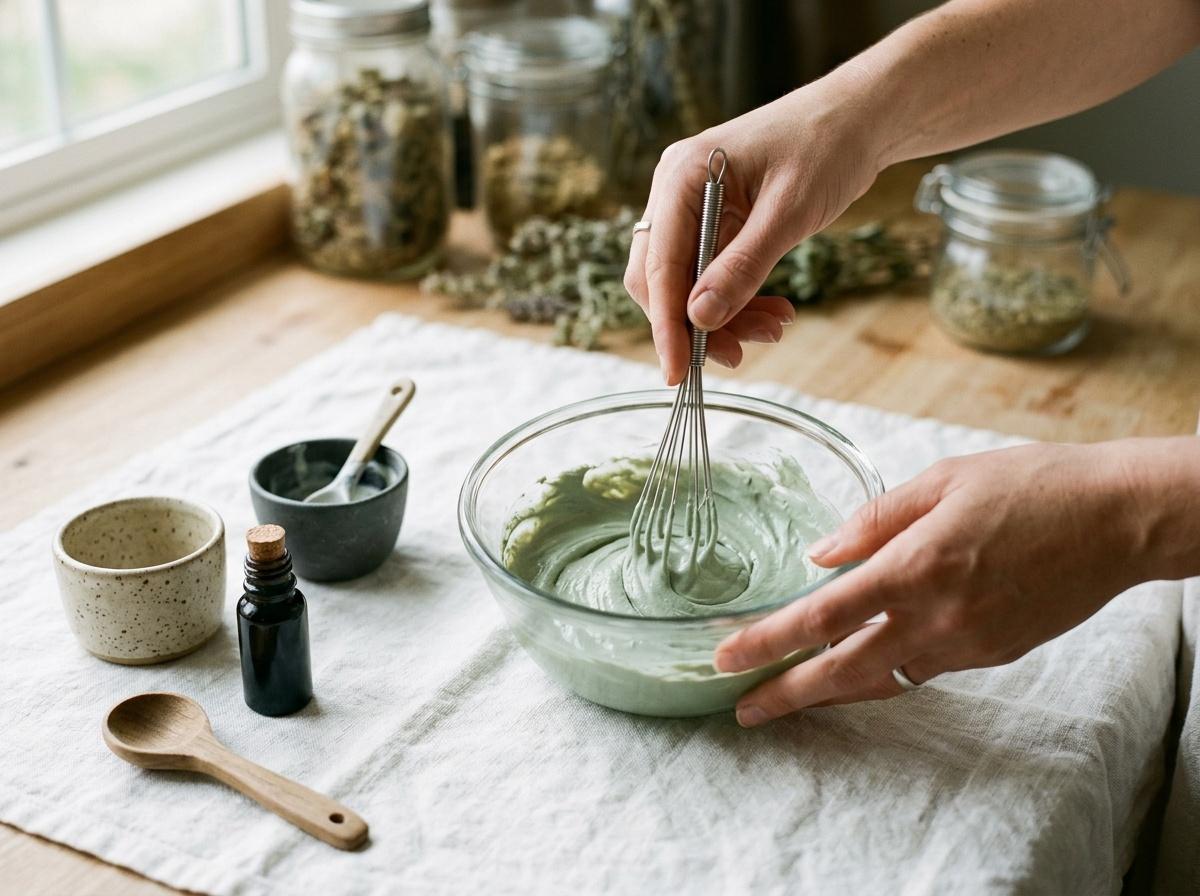
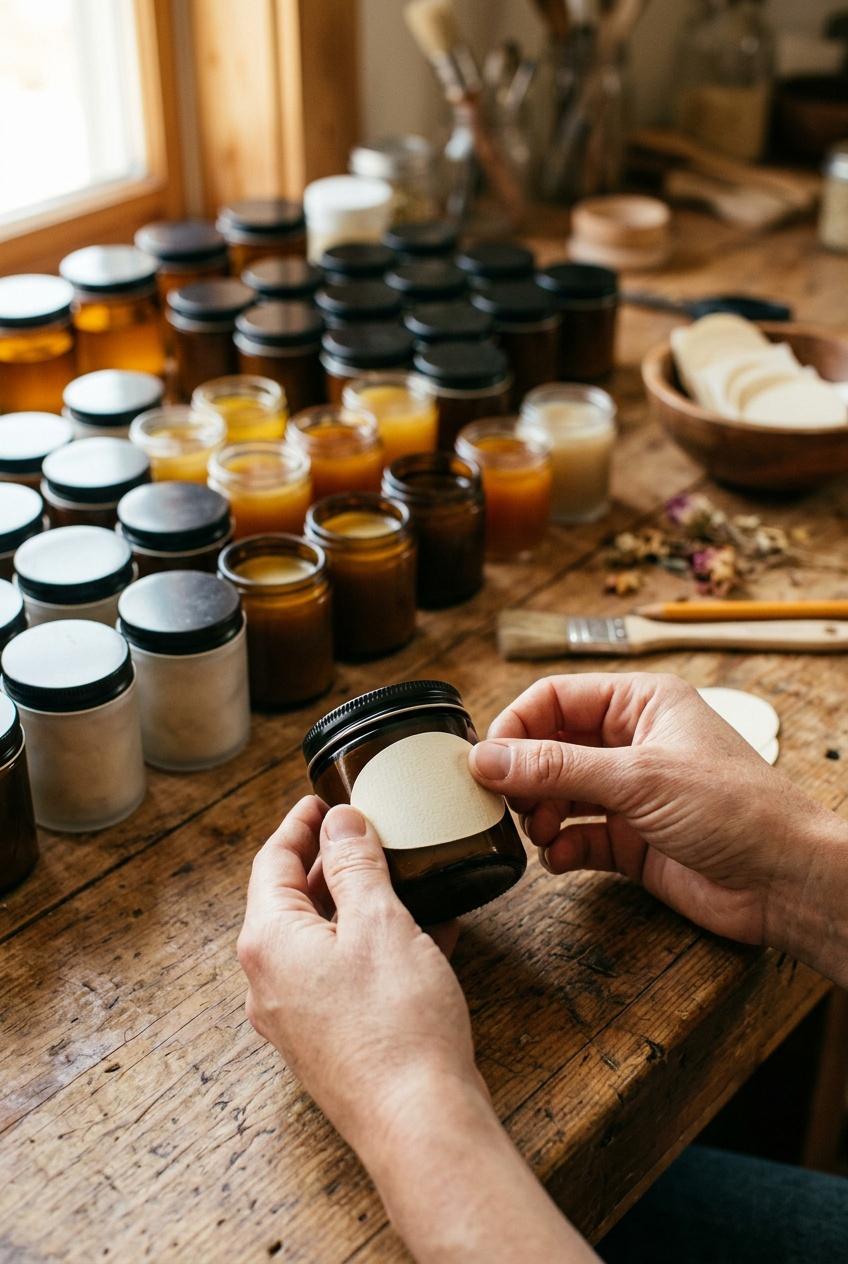
“Microbatched” is on our labels, so it should mean something. Here it does: Mishti and Komal make each product in batches of fifty to eighty jars, by hand, in our kitchen studio. Nothing is made months before you buy it.
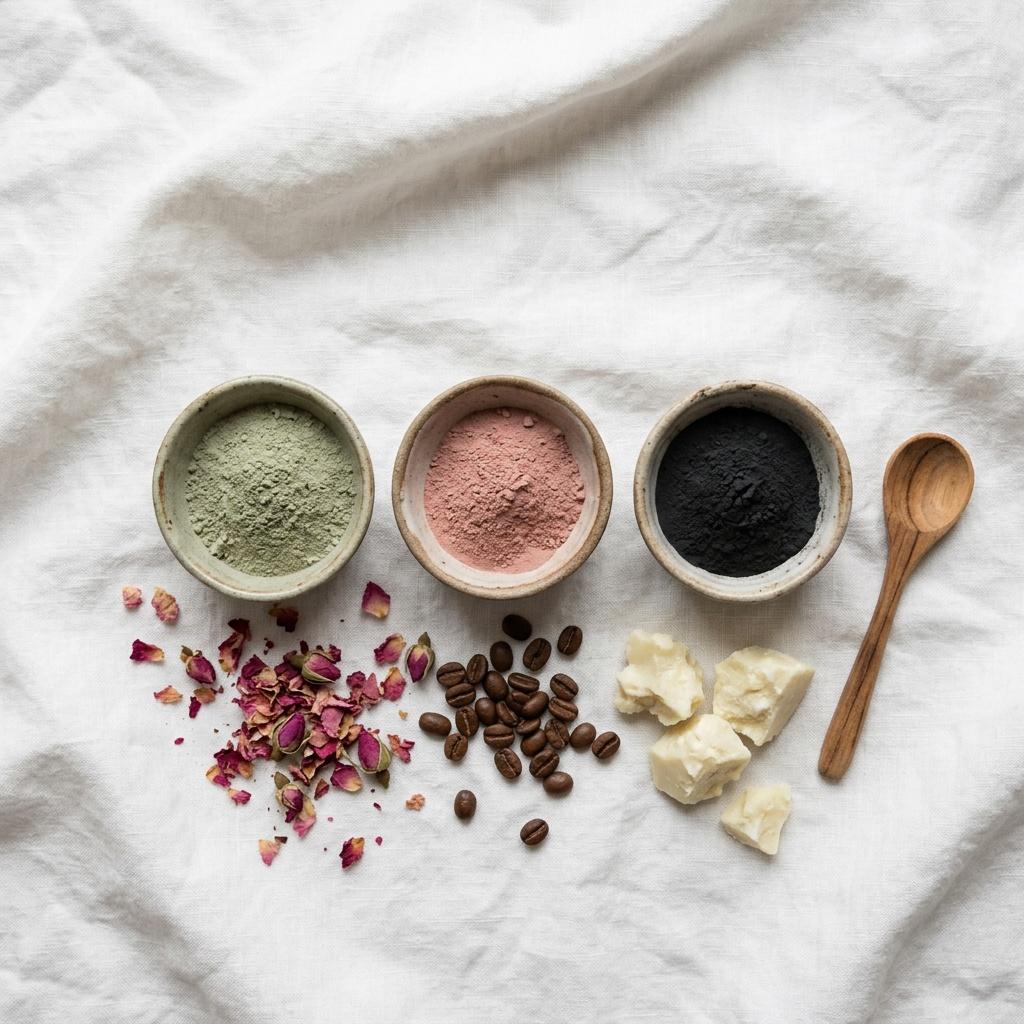
The process is close to cooking than to manufacturing. Clays are weighed and sifted. Oils and butters are melted low and slow. Everything is whisked together, tasted for texture (metaphorically), then spooned into jars while the batch is still fresh.
Small batches, honest reasons
Big factories make skincare that survives a year on a warehouse shelf. Ours doesn't need to. A mask made on Tuesday and shipped on Friday still has eleven good months in it — and those first weeks are when it's at its freshest.
Small batches also mean we can change. If a batch's texture isn't right, it doesn't ship. If three of you write in about the same thing, the next batch can answer it.
“We'd rather sell out than make more than we can care for.”
What you'll notice
Jar-to-jar, things are almost the same — almost. Rose water is a natural product; one season's harvest is a little softer than the last. If your mask looks a shade different, that's the batch being alive, not a defect. The number on the bottom tells you when it was made, not when it was warehoused.