Four clays, explained simply
30 September 2026 — 5 min read
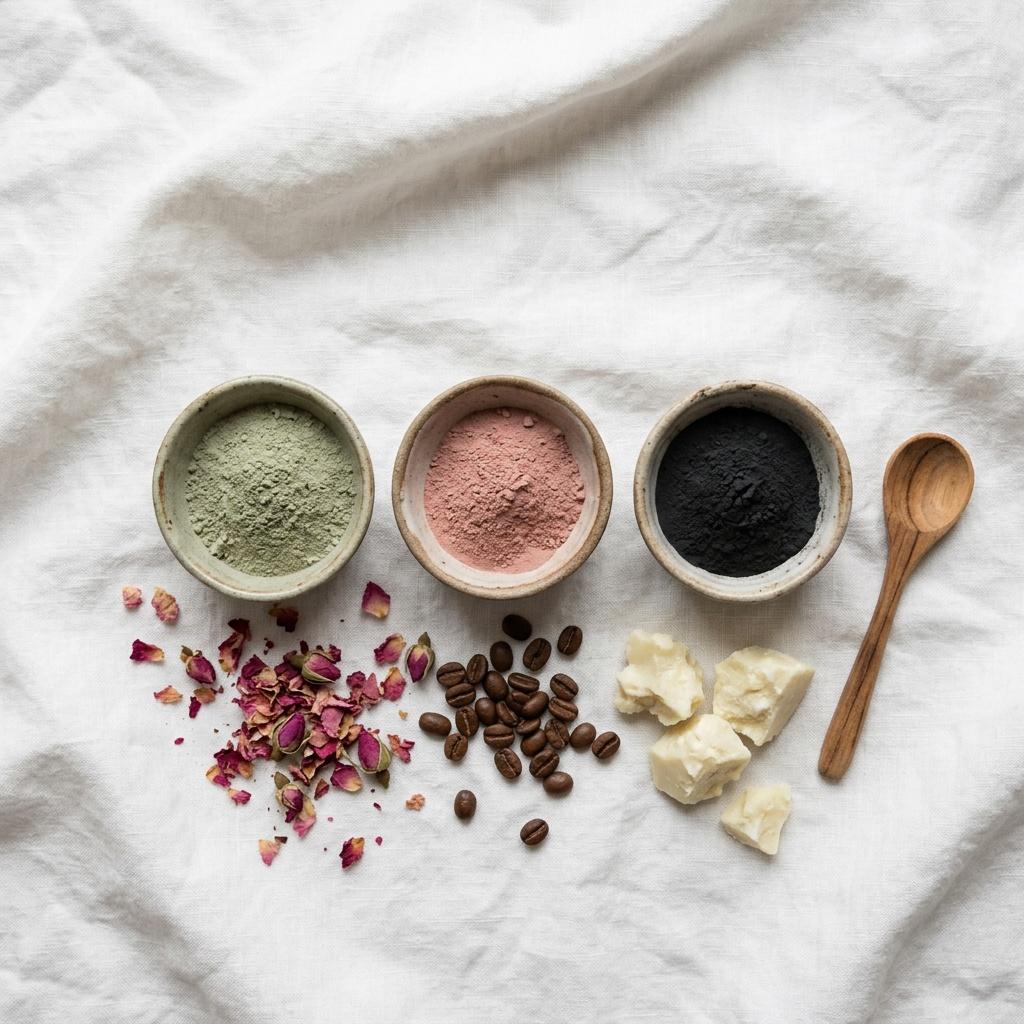
Clay masks are the oldest skincare there is — humans have been painting mud on their faces since before skincare was a word. The part people get wrong is treating all clay as the same mud. It isn't.
Kaolin — the baseline
Kaolin is the softest cosmetic clay and the base of all four of our masks. It cleanses gently and doesn't pull moisture out of skin the way harsher clays can. If you've ever had a clay mask that stung, it probably wasn't mostly kaolin.
Rose clay — the gentle one
A pink French clay with a soft grip. It cleanses and leaves skin looking lit rather than matte. Choose it when your skin looks dull rather than oily.
Charcoal + bentonite — the deep clean
Bentonite is a stronger clay with a real draw, and activated charcoal adds serious absorbency. This is the mask for a week that included too much traffic, too much sunscreen and not enough cleansing. Once a week, maximum, for most skin.
Dead Sea clay — the mineral one
Harvested from the Dead Sea shore and naturally loaded with magnesium and potassium minerals. It clarifies but reads softer on the skin than bentonite. A good middle mask for combination skin.
French green — the mattifier
An illite clay from France with a blue-green tint. It's the most balancing of the four: shine down, pores looking tidier. If your T-zone is its own weather system, start here.
“Pick the mask for the week you're having, not the skin type you were assigned in 2019.”
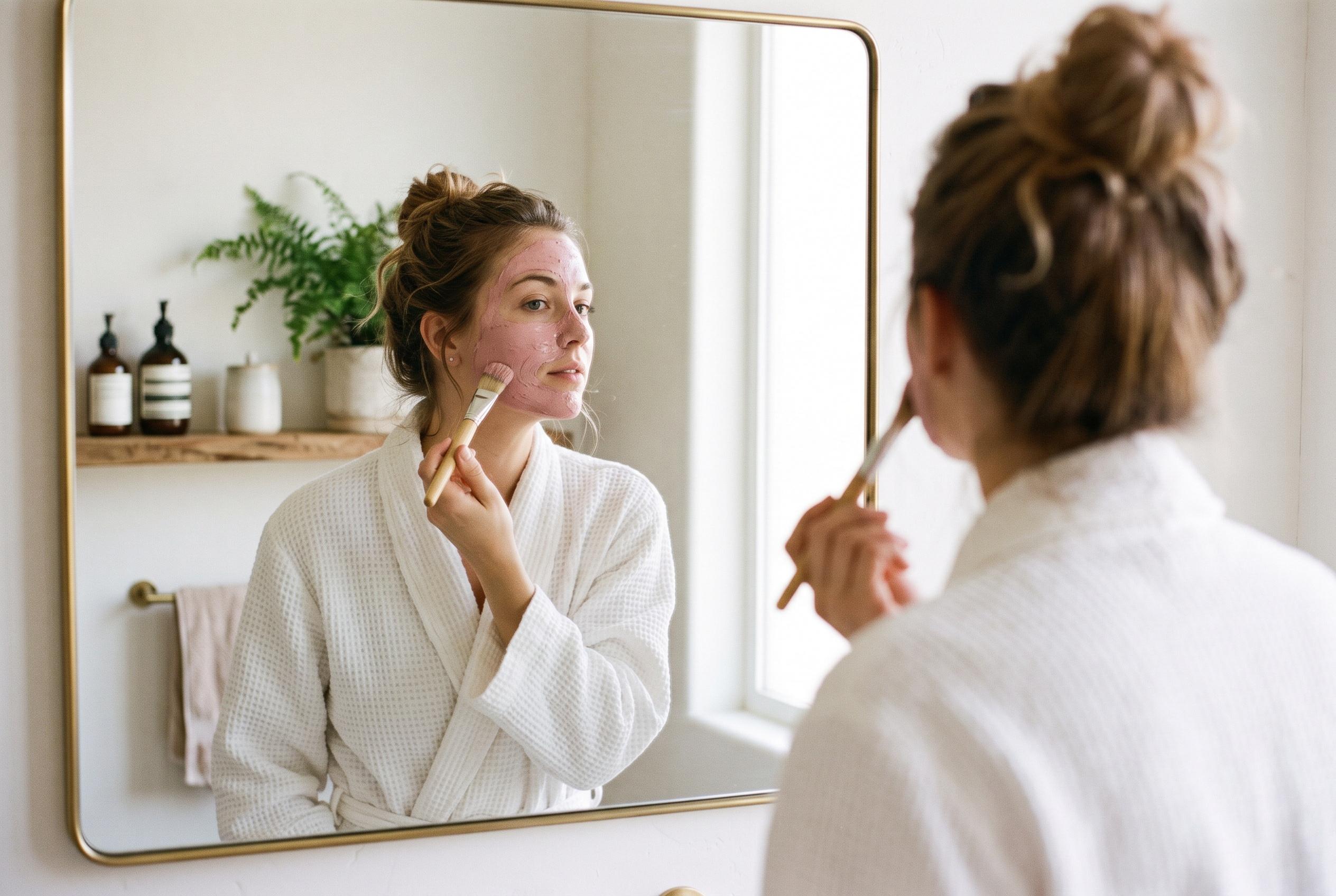
And one rule that outranks all of the above: if a clay mask ever leaves your skin tight and squeaky, you've kept it on too long. Rinse when the edges go dry and the middle still looks soft. Clay should clean the skin, not drink it.